

Sustainable Travel: Eco-Friendly Practices for Your Next Island Trip
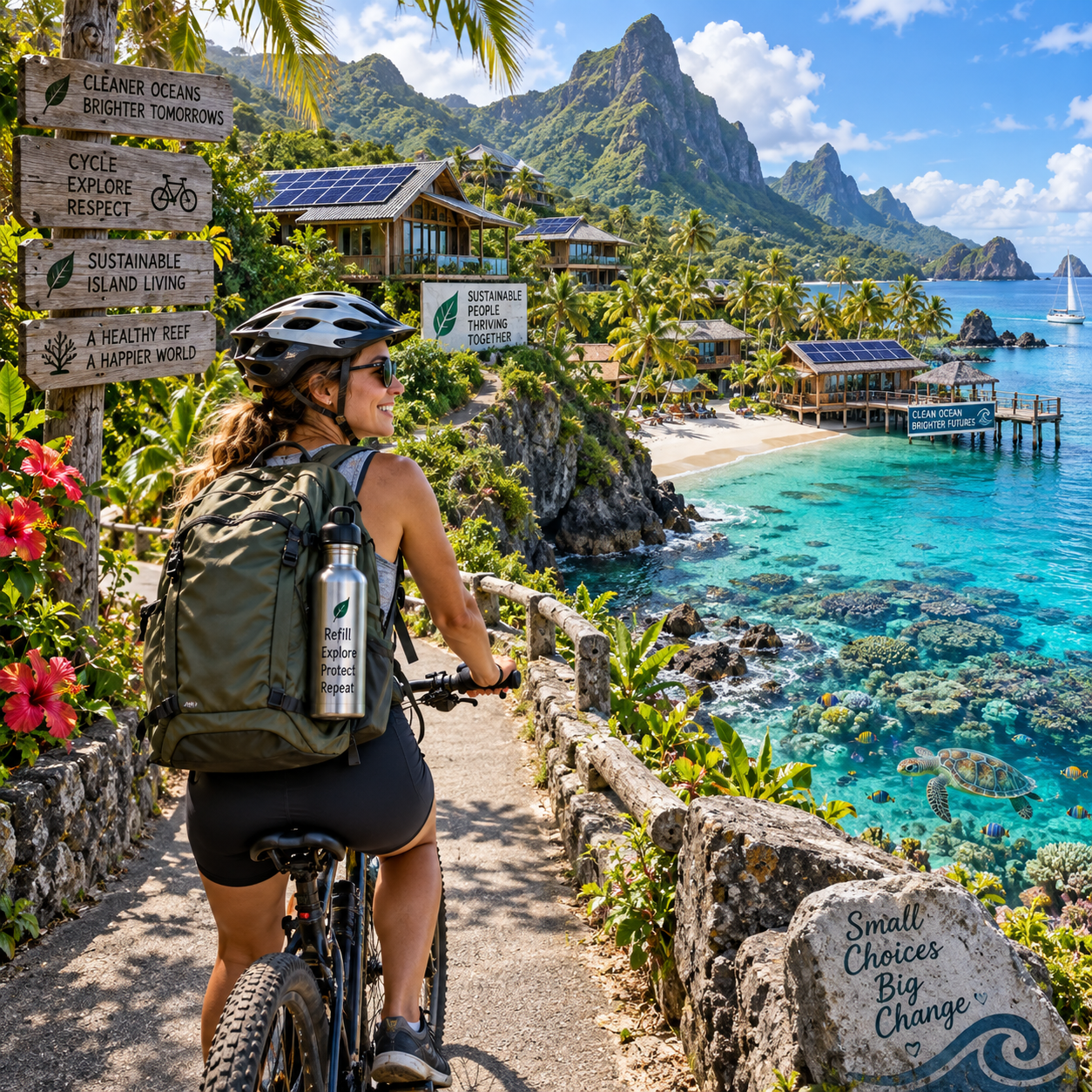
Island travel can be deeply rewarding, but islands often have limited freshwater, fragile coastlines, small waste systems, and ecosystems that recover slowly from damage. Sustainable travel means making thoughtful choices about transport, accommodation, activities, spending, and daily habits so tourism supports the destination instead of exhausting it.
You do not need to give up comfort or adventure. A lower-impact island trip might involve walking to dinner, choosing a locally owned guesthouse, carrying a refillable bottle, respecting a marine sanctuary, and paying a local guide fairly. The details vary from one island to another, so check local rules and infrastructure before you arrive.
Why Sustainable Travel Matters on Islands
Sustainable travel matters on islands because natural resources are limited and tourism can place concentrated pressure on water, waste systems, coastlines, and wildlife. Responsible tourism helps protect the landscapes and communities that make island destinations appealing.
Many islands import food, fuel, building materials, and consumer goods. Waste then has to be processed locally or transported elsewhere, often at considerable cost. A sudden increase in visitors can strain drinking-water supplies, sewage treatment, roads, electricity networks, and beaches.
Coastal development can also damage dunes, mangroves, seagrass beds, coral reefs, and nesting areas. These habitats protect shores from storms, support fisheries, and provide the foundation for marine tourism. Even small actions matter when repeated by thousands of visitors.
Think of sustainable tourism as a three-part decision: reduce pressure on the environment, respect local culture, and keep more visitor spending within local communities. A destination benefits most when these goals work together.
Choose Eco-Friendly Transport to and Around the Island
To reduce transport impacts on an island, choose walking, cycling, public transport, shared transfers, and well-managed boat tours whenever they are practical. Fewer private vehicle journeys mean less fuel use, congestion, noise, and road pressure.
Before booking, investigate how you will move between the airport, ferry terminal, accommodation, beaches, and villages. A shared shuttle may be a better option than several separate taxis. On compact islands, walking and cycling can be enjoyable ways to explore while supporting cafés, shops, and viewpoints away from the main resort area.
- Use local buses or community-operated transport where routes and schedules make this feasible.
- Choose shared airport transfers rather than private vehicles for solo or small-group journeys.
- Rent a bicycle or use an electric bicycle on suitable, safe routes.
- Combine errands and excursions instead of making multiple vehicle trips.
- Choose boat operators that follow speed limits, passenger limits, no-anchor zones, and wildlife-distancing rules.
Island-hopping requires extra judgment. Fewer, longer stays usually create less transport-related disruption than rapidly visiting many destinations. When flights are unavoidable, compare direct routes and avoid adding short, unnecessary flights between nearby islands when a safe ferry or shared boat is available. Ferries are not automatically low-impact; vessel type, occupancy, fuel, and route length all matter.
Stay in Accommodation That Supports Sustainability
Choose eco-friendly accommodation by checking its energy, water, waste, sourcing, and community practices rather than relying on green marketing alone. A small locally owned property can sometimes deliver stronger local benefits than a large resort, but the actual policies matter more than the label.
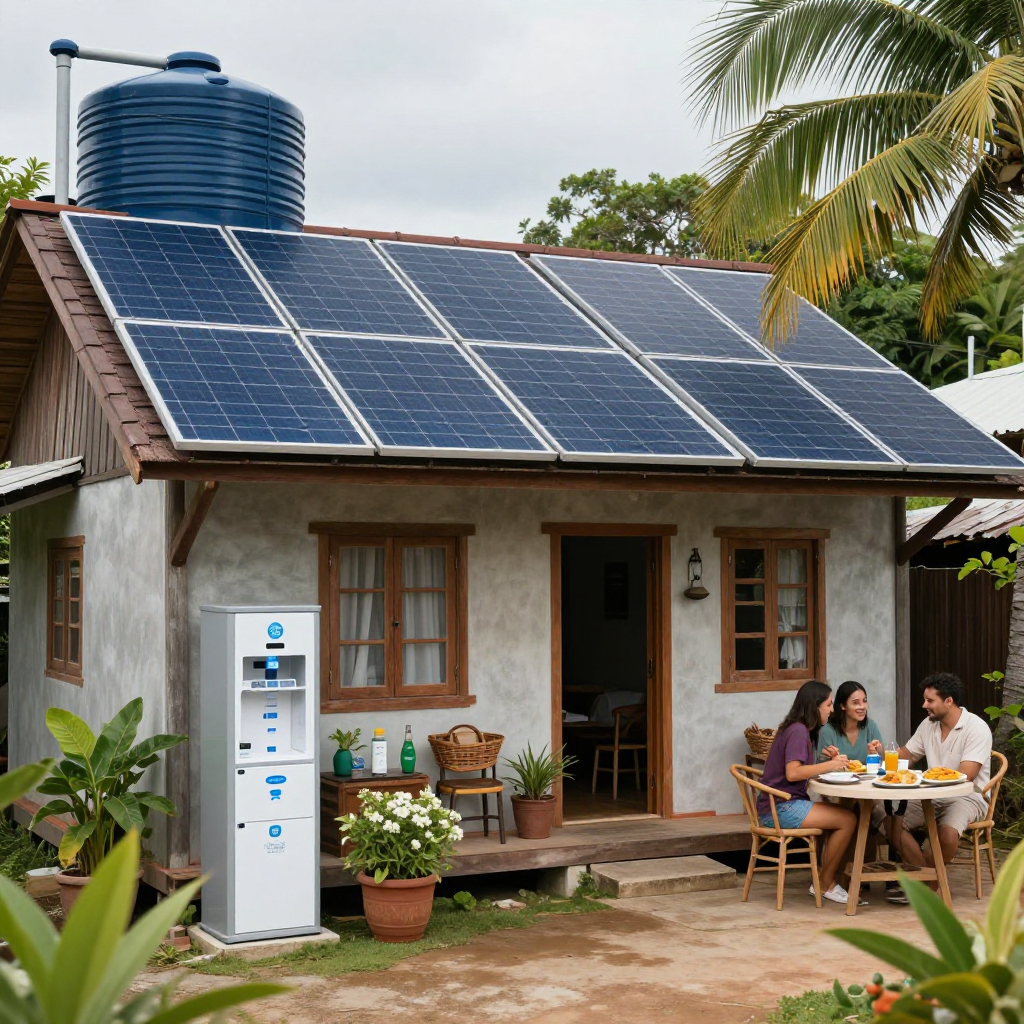
Look for clear information about renewable energy, solar hot water, efficient lighting, rainwater collection, wastewater treatment, and refill stations. Credible properties explain what they do and what they cannot yet do. Recognized third-party environmental certifications can provide useful assurance, but certification names and standards differ by country, so verify what the program measures.
Questions to ask before booking
- Does the property use solar power, a renewable energy tariff, or other efficient energy systems?
- How does it manage wastewater and prevent sewage from reaching coastal ecosystems?
- Are towels and linens changed on request rather than automatically?
- Does it avoid single-use toiletries and provide safe drinking-water refills?
- Are food, staff, services, and furnishings sourced from local businesses where possible?
- Does the property employ local residents and contribute to community projects?
Choosing an accommodation with strong sustainability policies may mean accepting fewer amenities, irregular hot water, or a higher nightly rate. Treat that cost as part of the destination’s operating reality, while still expecting transparency and basic safety. A luxury resort is not inherently sustainable, and a rustic stay is not automatically responsible.
Reduce Waste, Water Use, and Energy Consumption
Reduce island waste and resource use by carrying reusables, conserving water, sorting rubbish correctly, and using air conditioning only when needed. These habits are simple, but they matter where landfill space, recycling facilities, and freshwater supplies are limited.
Pack a refillable bottle, shopping bag, lightweight food container, and reusable cutlery. Refill only where the water is certified safe, and ask your accommodation or local authority for guidance. Avoid buying bottled water by default, but do not compromise health if a safe alternative is unavailable.
- Refuse disposable straws, cups, cutlery, and toiletry bottles when you can.
- Buy larger quantities or unpackaged local food instead of several small plastic portions.
- Keep waste with you until you find the correct disposal point.
- Separate recyclables only when the island actually has a system to process them.
- Take back batteries, medication, and specialist waste if local disposal is unavailable.
- Turn off lights, fans, and air conditioning when leaving the room.
- Keep showers short and report leaking taps or toilets promptly.
Do not assume that putting an item in a recycling bin guarantees recycling. Ask what the island accepts, because contaminated or unsuitable materials may still go to landfill. Water conservation also requires local awareness: some islands depend on desalination, rainwater, groundwater, or water shipped from elsewhere, and each system has different limits.
Protect Marine Life and Natural Landscapes
Protect marine life by keeping your distance, avoiding contact with habitats, following protected-area rules, and choosing operators that prioritize conservation over close encounters. Responsible wildlife tourism leaves animals free to feed, rest, migrate, and behave naturally.
When snorkeling or diving, maintain neutral buoyancy and keep fins away from coral reefs. Never stand on coral, touch marine animals, collect shells, or chase turtles, rays, dolphins, or whale sharks. Sunscreen can also enter coastal water, so use shade, protective clothing, and products that comply with local guidance; no sunscreen is a substitute for avoiding contact with reefs.
Choose boat tours that explain marine conservation, use designated moorings instead of dropping anchors on reefs, limit passenger numbers, and follow seasonal closures. A good wildlife guide may end an encounter early if an animal shows signs of stress. That is responsible management, not a disappointing tour.
On land, stay on marked trails, close gates, avoid dunes and nesting zones, and carry food scraps out. Do not feed birds, monkeys, fish, or other wildlife. Feeding changes animal behavior and can create conflict with residents.
Before visiting a marine park, read its official rules. The National Oceanic and Atmospheric Administration guidance on protecting coral reefs offers useful background, although local regulations always take priority.
Support Local Communities and Island Businesses
Support island communities by spending with local businesses, hiring local guides, respecting cultural norms, and choosing products that are made responsibly. Local economic benefits help tourism contribute to livelihoods rather than concentrating revenue in outside companies.
Eat at locally owned restaurants, visit farmers’ markets, book community-based tours, and use guides who live on the island when possible. Ask whether crafts are locally made and whether materials come from legal, sustainable sources. Avoid coral jewelry, shells, archaeological objects, and products made from threatened wildlife.
Fair support also means paying the stated price rather than treating local workers’ income as a bargaining game. Follow photography rules, dress expectations, religious customs, and restrictions around sacred or private places. Learn a few local words, ask before entering villages or taking portraits, and remember that a community is a home, not a themed attraction.
Small choices add up. A locally prepared meal, a family-run guesthouse, and a community-led walking tour can direct spending toward residents while giving you a more accurate understanding of island life.
Build a Practical Sustainable Island Travel Checklist
Use a three-stage sustainable island travel checklist: prepare before departure, make low-impact choices during the visit, and review your impact after returning. This approach turns broad intentions into decisions you can actually follow.
Before departure
- Research water restrictions, protected areas, waste rules, transport, and cultural expectations.
- Book accommodation that explains energy, wastewater, water, waste, and local employment practices.
- Choose longer stays, shared transfers, and operators with clear wildlife and marine-conservation policies.
- Pack a refillable bottle, reusable bag, container, sun protection, and any specialist waste you may need to take home.
During the trip
- Walk, cycle, use public transport, or share transfers where practical.
- Refill water safely, avoid disposable items, and use air conditioning sparingly.
- Keep away from coral, wildlife, dunes, nesting sites, and restricted areas.
- Spend with local businesses and follow advice from residents and park authorities.
After returning
- Leave an honest review that recognizes genuine sustainability practices.
- Share accurate information rather than encouraging overcrowded or harmful attractions.
- Support a reputable local conservation or community organization if you want to extend your contribution.
A sustainable island holiday is a series of manageable choices, not a test of perfection. The most useful question is simple: what does this island need visitors to do less of, and what does it need visitors to support?
Frequently Asked Questions About Sustainable Island Travel
How can I reduce plastic waste while traveling on an island?
Carry a refillable bottle, shopping bag, food container, and reusable utensils. Use verified refill stations, decline unnecessary packaging, and follow local waste-sorting rules. If an item cannot be processed on the island, take it home when safe and legal.
What should I look for in sustainable island accommodation?
Look for transparent information about renewable energy, efficient water use, wastewater treatment, waste reduction, local employment, and local sourcing. Prefer specific policies and verifiable certifications over vague claims such as eco-friendly or green.
How can I travel responsibly around marine wildlife?
Choose guides who maintain safe distances, follow protected-area rules, avoid feeding animals, and use reef-safe boating practices. Never touch, chase, feed, or handle marine wildlife, and avoid tours that guarantee unnaturally close encounters.
Is island-hopping compatible with sustainable travel?
Yes, but slower island-hopping is generally preferable. Stay longer, reduce unnecessary flights, use shared or well-managed ferries where suitable, and select operators that comply with safety, waste, and marine-protection standards.
How can visitors support local island communities?
Eat at locally owned establishments, hire local guides, purchase locally made goods, stay with community-based businesses, and respect cultural rules. Ask before photographing people or entering sensitive places, and pay fairly for local services.