
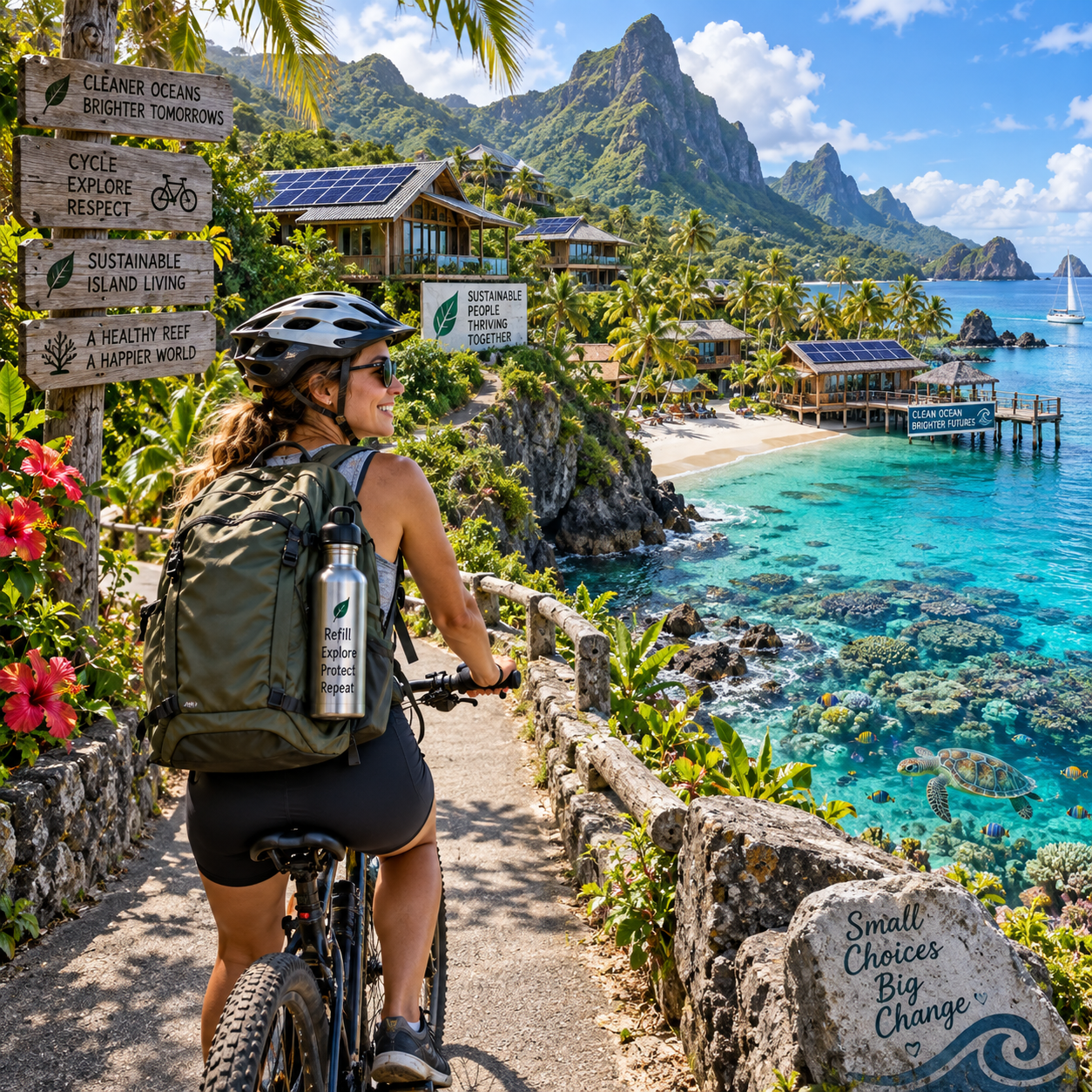

Island Wildlife: Unique Animals and Where to Find Them
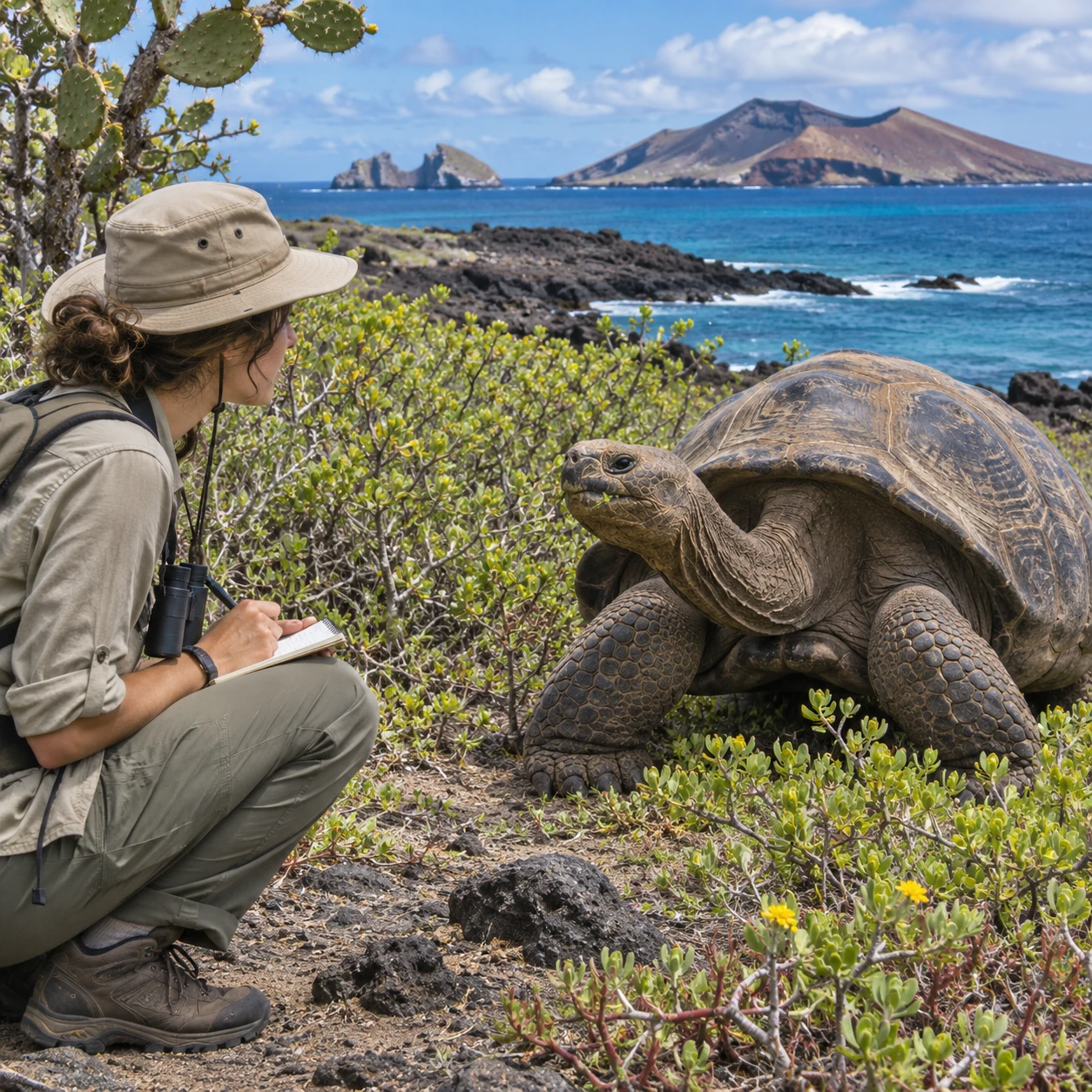
From giant tortoises crossing dry scrub to lemurs moving through Madagascar’s forests, island wildlife can feel unlike anywhere else. Isolation has shaped distinctive animals and habitats, but sightings are never guaranteed. A thoughtful trip pairs realistic expectations with local knowledge and respect for the places and communities that protect these species.
Why Islands Have Such Distinctive Wildlife
Island wildlife is distinctive because geographic isolation limits movement between populations, while local habitats and conditions shape how species survive. Over generations, that combination can produce native species found naturally in a region and endemic species found nowhere else.
Island ecosystems vary widely. A single island may contain rainforests, wetlands, dry forests, cliffs, beaches, and offshore reefs. Animals adapt to the resources and risks in each setting; some island birds, for instance, evolved with few land predators and can be vulnerable when new predators arrive.
Not every island has a high number of endemic animals, and endemism does not automatically make wildlife easy to see. Some species live in remote or protected habitat, while others are nocturnal or naturally elusive. The appeal is often the relationship between an animal and its specific home: a seabird colony on a cliff, a reptile in dry scrub, or a turtle nesting on a protected beach.
Iconic Island Animals Around the World
Recognizable island animals include the Galápagos tortoise, Madagascar’s lemurs, Komodo dragons, New Zealand’s kākāpō, and sea turtles. Each is tied to particular habitats, and several require carefully managed or restricted access.
- Galápagos tortoise: These long-lived reptiles inhabit the Galápagos Islands, where populations are associated with different islands and habitats. Visitors may see them in designated reserves or with authorized guides; follow marked routes and keep a respectful distance.
- Lemurs of Madagascar: Madagascar is the only natural home of lemurs, a diverse group found in habitats from humid eastern rainforests to dry western forests. Species and viewing conditions differ by region, so choose a reserve with local guides rather than expecting to see every lemur on one visit.
- Komodo dragon: The world’s largest living lizard is native to a small group of Indonesian islands, including Komodo and Rinca. It is a powerful wild predator, so visitors must follow park rules and remain with authorized rangers.
- Kākāpō: This rare, flightless parrot is endemic to New Zealand. Conservation work takes place on protected islands, and access to these sites is restricted. It is not an animal travelers should expect to encounter on a standard tour.
- Sea turtles: Several species use island and coastal habitats for feeding or nesting. Sightings depend on location and season, and nesting beaches may close or impose strict rules to protect eggs and hatchlings.
Where to See Island Wildlife
To find island wildlife, match the species to its natural habitat and visit a destination where access is permitted. The Galápagos, Madagascar, Indonesia’s Komodo region, and New Zealand are well known for distinctive wildlife, but the right location depends on what you hope to observe.
In the Galápagos Islands, look for tortoises in approved reserves and learn about native species at visitor sites. On Madagascar, forest reserves offer opportunities to observe lemurs with guides who know the local trails and wildlife. In Komodo National Park, ranger-led walks are the appropriate way to visit dragon habitat. Always check current access conditions, as protected-area rules can change.
For coastal wildlife, investigate designated turtle-watching programs and marine reserves rather than approaching animals on your own. Seabirds may be viewed from marked paths or boats operating under local guidelines. Habitats matter: forest walks suit some lemurs, while shorelines and offshore waters are more relevant for sea turtles.
Before booking, check whether the site is protected, whether a guide is required, and how visitor numbers are managed. A nearby community-run reserve may offer a more suitable experience than a famous site with limited access.
Planning a Wildlife-Watching Trip
Plan a wildlife-watching trip around habitat, season, access rules, and the time you can spend observing. Research current local guidance before booking, then leave room in your itinerary for weather and animals that do not appear on schedule.
Choose timing and expectations carefully
Seasonality affects animal behavior, trail conditions, and access. Sea turtle nesting and hatching periods vary by species and location; bird activity and forest visibility also change through the year. Ask local park authorities or reputable guides which months suit your target species. A seasonal peak can improve your chances, but it never guarantees a sighting.
Book local expertise and check access
A qualified local guide can help you notice behavior without approaching too closely, explain cultural context, and steer you away from sensitive areas. Confirm what the tour includes: group size, permits, transport, and whether the operator follows the rules of the protected area. For rare wildlife such as the kākāpō, respect that conservation access may be closed to visitors.
Pack for observation rather than pursuit: binoculars, a quiet camera, water, sun protection, and footwear suited to the terrain. Do not use calls or playback recordings to lure animals. If a tour promises guaranteed close encounters, treats wildlife as a photo prop, or ignores access restrictions, choose another operator.
How to Observe Animals Responsibly
Responsible wildlife watching means giving animals space, avoiding food or contact, and following local guidance every time. These simple choices reduce stress and help protect both wildlife and the habitats visitors came to see.
- Keep your distance. Use binoculars or a zoom lens instead of moving closer. If an animal changes its behavior because of you, back away quietly.
- Never feed or touch wildlife. Human food can harm animals and alter their behavior. Do not handle eggs, hatchlings, reptiles, or other wildlife, even for a brief photograph.
- Stay on permitted routes. Trails and viewing areas help protect nesting sites, fragile vegetation, and shorelines. Obey closures and ranger instructions.
- Keep noise and light low. Speak softly, avoid flash where prohibited, and do not use drones unless authorities explicitly permit them.
- Leave no trace. Pack out rubbish, avoid removing shells or plants, and use reef-safe practices where local guidance recommends them.
Responsible viewing may mean a shorter or less dramatic encounter. That is a fair trade: the animal keeps control of its space, and visitors see more natural behavior.
Conservation Challenges and How Travelers Can Help
Island species face serious pressures from habitat loss, invasive species, climate change, and disturbance. Travelers can help by choosing conservation-minded operators, respecting restrictions, and directing spending toward locally led protection.
Because island populations can be small and isolated, introduced predators or competitors may have a major effect. Habitat change can also reduce nesting, feeding, and shelter areas. On coasts, development and human activity may disrupt sea turtle nesting or damage marine ecosystems.
Before booking, ask how a tour benefits local residents and conservation, and whether wildlife interactions follow park rules. Prefer permitted guides and community-run services where available. Avoid attractions that invite handling, feeding, or staged contact with wild animals. A responsible trip does not guarantee a direct contribution to conservation, so look for transparent information rather than relying on broad claims.
Frequently Asked Questions About Island Wildlife
Island wildlife differs by location, season, and habitat, so the best approach is to research a specific species and follow local advice. These answers cover common questions for travelers planning a responsible wildlife visit.
What makes island wildlife different from mainland wildlife?
Isolation can limit gene flow and allow populations to develop separately. Over time, this can create endemic species and unusual adaptations. The result varies from island to island, and many native species are not endemic.
Which islands are known for distinctive animals?
The Galápagos Islands are known for giant tortoises, Madagascar for lemurs, Indonesia’s Komodo region for Komodo dragons, and New Zealand for the kākāpō and other native wildlife. Access to some species and habitats is restricted for conservation.
When is the best time to see island wildlife?
The best time depends on the species, island, and habitat. Check seasonal guidance from local parks or qualified guides, especially for turtle nesting, bird activity, or wet-season travel. No season guarantees a sighting.
How can travelers watch wildlife without disturbing it?
Keep a respectful distance, stay on approved routes, never feed or touch animals, and follow the guide or ranger’s instructions. Use binoculars for a closer view and leave if an animal appears stressed.