
Hidden Gems: Lesser-Known Islands in Southeast Asia You Need to Explore
Why Skip the Crowds and Explore Hidden Islands?
The most rewarding island experiences in Southeast Asia rarely happen on the famous ones. Destinations like Phuket, Bali, and Boracay deliver convenience and infrastructure — but also long-tail boats stacked three deep on the beach, overpriced cocktails, and a version of "local culture" designed entirely for visitors. The region's lesser-known islands offer something different: fishing villages where people actually fish, coral reefs that haven't been trampled by a thousand fins, and the quiet satisfaction of arriving somewhere that doesn't already have a hashtag.
This isn't about roughing it. Many hidden islands in Southeast Asia have comfortable guesthouses, reliable ferries, and genuinely good food. The trade-off is that you'll need to plan a little more carefully and accept slower travel rhythms. For most travelers who make the effort, that's the whole point.
The islands below span five countries — Thailand, Indonesia, the Philippines, Vietnam, and Malaysia — each with a distinct character and a different reason to go.
Koh Kood and Koh Yao Noi – Thailand's Quiet Escapes
These two Thai islands sit at opposite ends of the country but share one quality: they've stayed genuinely calm while their neighbors became postcards. Koh Kood, tucked near the Cambodian border in the Gulf of Thailand, is one of the least developed large islands in the country. Waterfalls cut through dense jungle, rubber plantations line the interior roads, and the beaches — particularly Ao Phrao and Khlong Chao — feel like they belong to a different era of Thai travel.
Getting there takes effort: a bus or flight to Trat, then a ferry that runs seasonally. The best time to visit is November through April, when the Gulf of Thailand is calm and dry. Outside peak season, some resorts close entirely, so check ahead.
Koh Yao Noi sits in Phang Nga Bay, surrounded by the same dramatic karst scenery as Krabi and Phuket — but it functions as a working Muslim fishing community. Motorbike rental is the standard way to explore, and the island rewards slow movement: a morning at a local coffee shop, cycling past rice paddies, watching longtail boats head out at dusk. There are no nightclubs, no go-go bars, and no Instagrammable infinity pools marketed to influencers. Accommodation ranges from simple guesthouses to mid-range bungalows, keeping it accessible for budget-conscious travelers.
Karimunjawa – Indonesia's Forgotten Archipelago
Karimunjawa is a cluster of 27 islands in the Java Sea, about four hours by fast ferry from Semarang, and it remains one of Indonesia's most overlooked marine destinations. The archipelago sits within a national park, which means coral reef protection is enforced — and it shows. Snorkeling here puts you over reef systems that still have structural integrity, with healthy fish populations and occasional reef sharks.
The main island has a small town with warungs, guesthouses, and a relaxed pace that feels nothing like Bali. Local guides run island-hopping boat trips that visit sandbanks, shark nurseries, and deserted beaches across the archipelago. These tours are affordable and run by community operators, which keeps money circulating locally.
The ferry schedule is the main logistical challenge — rough weather can cancel crossings, and the Java Sea gets unpredictable between December and February. May through October is the more reliable window. For travelers who've already done the Gili Islands and want something with fewer crowds and more genuine local interaction, Karimunjawa is the obvious next step.
Camiguin and Malapascua – The Philippines Beyond Palawan
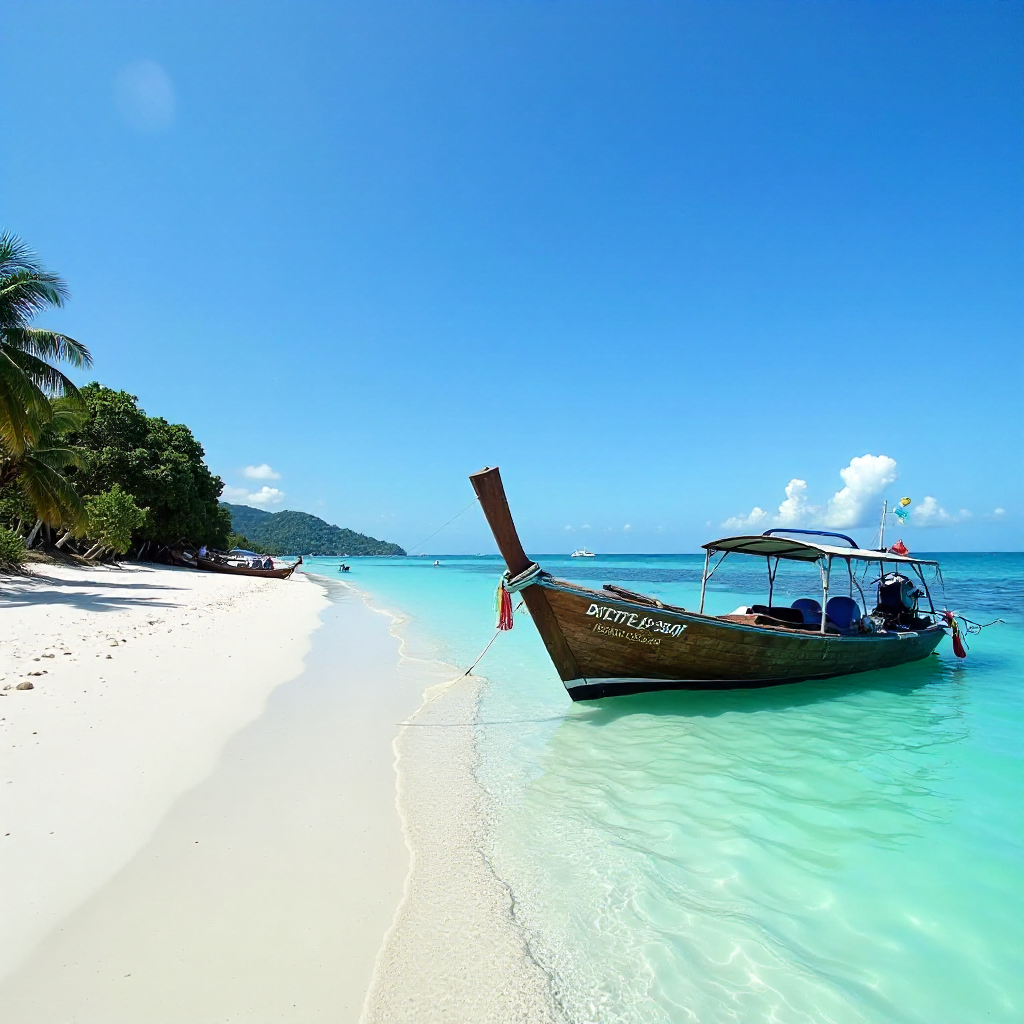
Palawan gets the headlines, but the Philippines has over 7,600 islands — and two of the best for independent travelers rarely appear in mainstream travel guides. Camiguin, a small volcanic island off the north coast of Mindanao, packs an extraordinary amount into a compact space: seven volcanoes (four active), hot springs, waterfalls, and a sunken cemetery submerged by a 19th-century eruption that you can snorkel over. The island has a strong local identity, a relaxed festival culture, and accommodation options ranging from budget guesthouses to small eco-lodges.
Access is straightforward — a short ferry from Balingoan in Mindanao, with connecting buses from Cagayan de Oro. The best months are March through May, before the typhoon season builds.
Malapascua, a tiny island north of Cebu, has earned a specific reputation among divers: it's one of the only places in the world with reliable thresher shark sightings at a cleaning station called Monad Shoal. Dives happen at dawn, and the sharks — with their distinctive scythe-shaped tails — are a genuinely rare encounter. Outside diving, the island is quiet and walkable, with white sand beaches and a small community of fishermen and dive operators. It suits experienced divers and curious beginners equally, given the quality of the local dive schools.
Con Dao – Vietnam's Remote Island Sanctuary
Con Dao is the kind of place that changes how you think about what a "beach destination" can be. Located about 230 kilometers off Vietnam's southern coast, this archipelago of 16 islands carries a heavy history — it was the site of brutal colonial and wartime prisons — alongside some of the most pristine marine habitat in the country. The combination of historical depth and ecological protection makes it unlike anywhere else in the region.
The Con Dao National Park covers most of the land and surrounding waters, protecting nesting beaches for endangered sea turtles. Between July and September, turtle nesting season draws a small number of eco-conscious visitors who join ranger-led night watches. Snorkeling and diving in the park reveal coral gardens and fish diversity that rival far more famous dive sites.
Getting here requires a short flight from Ho Chi Minh City or Can Tho — there's no regular passenger ferry from the mainland, which naturally limits visitor numbers. Accommodation ranges from a few upscale resorts to simple guesthouses in Con Son town. It's not the cheapest destination in Vietnam, but for travelers seeking solitude, historical context, and genuine ecological value, the cost is justified.
Pulau Tioman – Malaysia's Underrated Dive Haven
Pulau Tioman offers one of the most accessible combinations of jungle, beach, and underwater life in Southeast Asia, yet it consistently flies under the radar compared to Thailand's dive islands. Located off Malaysia's Pahang coast in the South China Sea, Tioman is reachable by ferry from Mersing or Tanjung Gemok — a journey of roughly 1.5 to 2 hours depending on conditions.
The island's marine park status protects its reefs, and dive sites like Renggis Island and Tiger Reef offer visibility and coral health that reward both beginners and certified divers. Above water, the interior jungle is dense and largely unexplored — a trail connecting Tekek and Juara villages crosses the island's spine and takes about three hours, passing through old-growth forest with hornbills and monitor lizards.
Accommodation is genuinely budget-friendly by regional standards, with simple chalets and family-run guesthouses in villages like Salang, Air Batang, and Juara. The east coast village of Juara is particularly quiet and suits travelers who want to disconnect completely. Tioman closes to ferries roughly June through August during the monsoon — the sweet spot for visiting is March to May or September to November.

Tips for Visiting Hidden Islands in Southeast Asia
A few practical principles apply across all these destinations and will make the difference between a smooth trip and a frustrating one.
Timing Your Visit Around Monsoon Seasons
Southeast Asia has two distinct monsoon systems, and they affect different coasts at different times. The Gulf of Thailand (Koh Kood) and the South China Sea (Tioman, Karimunjawa) are roughest between November and February or June and August respectively. The Philippines typhoon season peaks July through October. Con Dao is most accessible October through June. Research the specific island's weather window before booking — a cancelled ferry strands you for days, not hours.
Getting There Without Expensive Flights
Most hidden islands are reached by ferry or speedboat from a mainland port or larger island hub. Budget airlines like AirAsia, Cebu Pacific, and VietJet connect major regional cities affordably, and from there, overland buses plus short ferry crossings are typically the cheapest and most practical option. Con Dao is the exception — the flight is short but non-negotiable.
Traveling Responsibly in Local Communities
Many of these islands have small, tight-knit communities that haven't built the tourism infrastructure of larger destinations. A few habits make a real difference: eat at local warungs and family restaurants rather than resort dining rooms, hire local guides for boat trips and hikes, ask before photographing people, and carry reef-safe sunscreen where you're snorkeling or diving. Sustainable travel on small islands isn't an abstract principle — the environmental and social impact of each visitor is genuinely visible at this scale.
For travelers curious about responsible island tourism frameworks, the UN Environment Programme's guidance on island ecosystems offers useful context on why these environments are particularly sensitive to visitor pressure.
Frequently Asked Questions
What is the best time of year to visit lesser-known islands in Southeast Asia?
It depends on the country and coast. As a general rule, November through April suits Thai Gulf islands and Vietnam's Con Dao, while March through May and September through November work well for Malaysia's Tioman and the Philippines. Karimunjawa in Indonesia is best May through October. Always check the specific monsoon window for your destination before booking ferries or accommodation.
Are hidden islands in Southeast Asia safe for solo travelers?
Yes, in most cases. Islands like Koh Yao Noi, Camiguin, and Pulau Tioman have well-established guesthouse cultures and are used to independent travelers. The main safety consideration is practical rather than personal — remote islands have limited medical facilities, so travel insurance with evacuation coverage is genuinely important, not just a formality.
How do I get to remote islands without expensive flights?
Most hidden islands are accessible via a combination of budget airline + bus + ferry. Fly into a major hub (Semarang for Karimunjawa, Mersing for Tioman, Cagayan de Oro for Camiguin), then take local transport to the ferry port. The journey takes longer, but costs a fraction of direct or charter options — and the overland leg often passes through interesting towns worth a night's stop.
Do lesser-known islands have accommodation for different budgets?
All the islands in this guide have options across budget levels, though the range is narrower than in major tourist hubs. Expect simple fan-cooled guesthouses at the low end (often excellent value), mid-range bungalows with air conditioning, and a handful of boutique or eco-lodge options at the higher end. Con Dao skews slightly more expensive overall; Karimunjawa and Camiguin are among the most affordable.
Which hidden Southeast Asian island is best for snorkeling or diving beginners?
Karimunjawa and Pulau Tioman are both excellent starting points. Both have calm, sheltered snorkeling spots with good visibility and abundant marine life, plus local dive operators who run structured beginner courses. Malapascua is worth considering once you have an Open Water certification — the thresher shark dives are deeper and require more experience, but the island's shallower reefs are beginner-friendly for casual snorkeling.