

Best Time to Visit the Maldives: A Month-by-Month Weather and Season Guide
The Maldives sits just above the equator, which means warm water and sunshine are practically guaranteed year-round. But "warm" doesn't mean "identical" — the archipelago runs on two distinct monsoon systems, and knowing which one is active when you travel makes a real difference to what you'll experience on the water and under it.
Overview of Maldives Climate
The Maldives has a tropical climate governed by two monsoon systems: the Northeast monsoon (Iruvai), which brings dry and settled weather, and the Southwest monsoon (Hulhangu), which delivers rain, humidity, and rougher seas. Average air temperatures hover between 27°C and 31°C throughout the year, with sea surface temperatures rarely dipping below 28°C.
Unlike many tropical destinations where monsoon means weeks of continuous downpours, rainfall in the Maldives tends to arrive in short, intense bursts — often clearing within an hour. The bigger variable is wind direction, sea state, and underwater visibility, all of which shift meaningfully between the two seasons.
Understanding this two-monsoon structure is what separates smart trip planning from guesswork. The "best" time genuinely depends on whether you're chasing whale sharks in Baa Atoll, looking for perfect surf off North Malé, or simply want the calmest possible week at a resort.
The Dry Season (November to April): The Classic Best Time
The dry season, running from November through April, is the period most travelers think of when they picture a perfect Maldives holiday. Driven by the Northeast monsoon (Iruvai), this stretch delivers calm seas, low humidity, reliable sunshine, and excellent water clarity across most atolls.
Winds during this period are gentle and consistent, which keeps the Indian Ocean remarkably flat — ideal for snorkeling directly from your overwater villa, island-hopping by speedboat, and scuba diving with strong visibility that can reach 30 meters or more in favorable conditions. Liveaboard diving trips operate most smoothly during these months, as rough-weather cancellations are rare.
December through February sits at the heart of peak season. Resorts fill quickly, prices reach their annual high, and the weather is at its most reliably photogenic. March and April remain excellent but mark the transition toward the shoulder: slightly warmer, occasional cloud build-up in the afternoons, but still far more settled than anything the wet season brings.
If you want the classic Maldives experience — calm, clear, and uncomplicated — the dry season delivers it. Just budget accordingly and book well in advance.
The Wet Season (May to October): Monsoon, Surf, and Savings
The wet season, shaped by the Southwest monsoon (Hulhangu), runs from May to October and has an undeserved reputation for being a bad time to visit. In reality, it's a different kind of trip — not a worse one.
Rain is more frequent, yes, but the pattern matters: most showers are short and heavy, arriving in the late afternoon or evening and clearing quickly. Many guests spending a week at a resort during June or July still get several full sunny days. The key shift is on the western side of the archipelago, where swells pick up and seas become choppier. The eastern atolls often remain calmer.
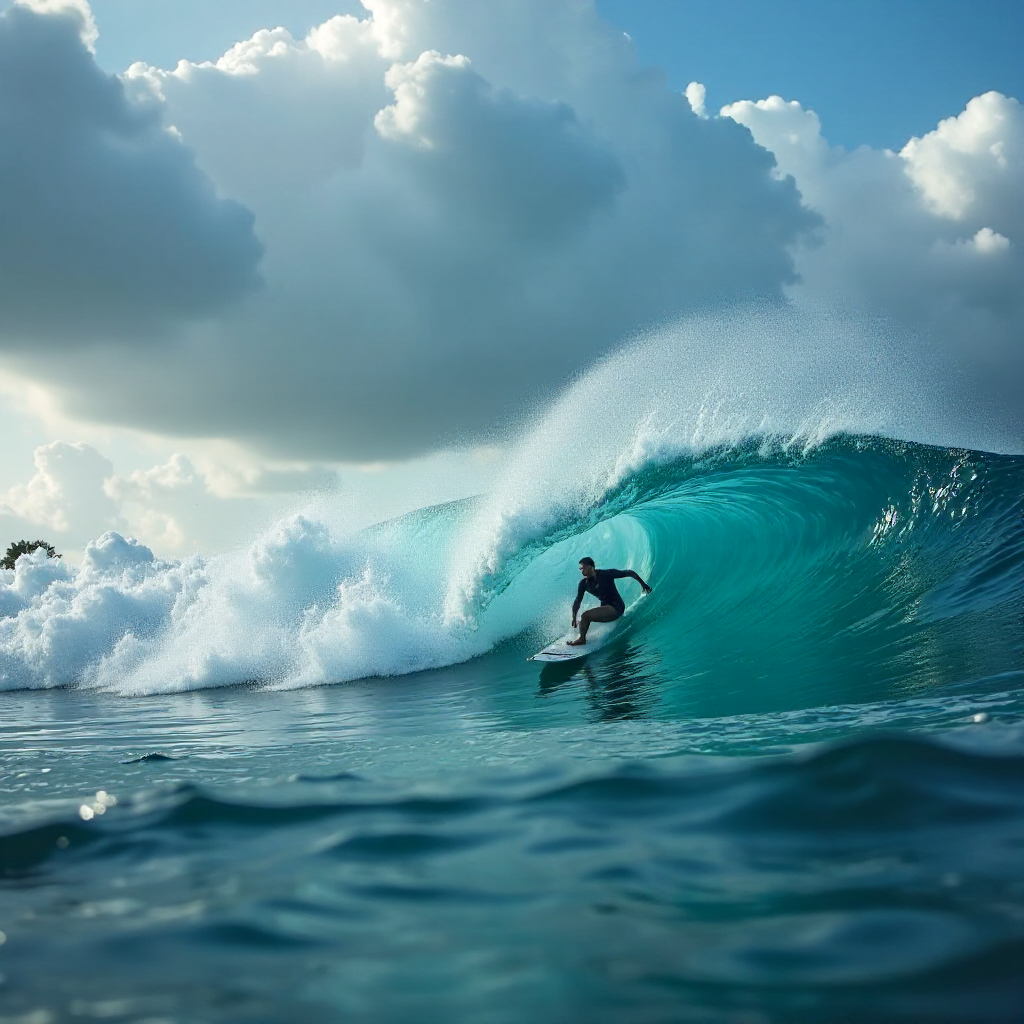
This is also surf season. Breaks around North Malé Atoll — including the famous breaks near Pasta Point — come alive between June and August, drawing experienced surfers from around the world. If surfing is your reason for visiting, the wet season is actually your best time.
For budget-conscious travelers, the wet season offers resort rates that can be 20–40% lower than peak season, with far less competition for bookings. Choosing shoulder months like May or October — when the monsoon is transitioning — often means acceptable weather at meaningfully reduced prices.
Month-by-Month Breakdown
Here's a practical snapshot of what each month looks like, so you can match your travel window to your priorities:
- November: Dry season begins. Seas settle, visibility improves, resorts start filling for the holiday rush. A strong month for diving.
- December: Peak season in full swing. Excellent weather, festive atmosphere, and the highest prices of the year. Book 6–12 months ahead.
- January: Often cited as the single best weather month — calm, clear, and sunny. Crowds are high but the experience justifies it.
- February: Still firmly in peak season. Ideal conditions for snorkeling and diving. Manta ray sightings increase in some atolls.
- March: Excellent weather continues, with slightly warmer afternoons. Whale shark aggregations begin in Baa Atoll toward late March.
- April: Transition month. Still largely dry but humidity builds. Good value compared to December–February with similar weather.
- May: Southwest monsoon arrives. Rain increases but weather remains mixed rather than relentless. Prices drop noticeably.
- June–July: Prime surf season. Wetter and windier on the west side, but manta ray activity peaks around Baa Atoll and Hanifaru Bay.
- August: Wet season continues. Whale shark season at Baa Atoll peaks. Strong choice for divers focused on megafauna.
- September: One of the wetter months. Fewer travelers, best resort deals, and still good diving for those comfortable with variable conditions.
- October: Monsoon begins to ease. A genuine shoulder month — improving weather, lower prices, and less crowded reefs.
Best Time for Specific Activities
The right travel window depends heavily on what you want to do. Weather is just one variable — marine life cycles matter just as much.
Snorkeling and Scuba Diving
The dry season (November–April) offers the most consistent underwater visibility and calmest surface conditions, making it the safest bet for both snorkelers and divers. Liveaboard diving itineraries concentrate in this window for good reason. That said, experienced divers often prefer the wet season for its richer marine life activity, accepting slightly reduced visibility in exchange.
Whale Shark Season
Baa Atoll, and specifically Hanifaru Bay, is one of the most reliable places on earth to snorkel with whale sharks. The aggregations typically peak between June and November, with August and September often producing the largest gatherings. This single fact makes the wet season worth serious consideration for wildlife-focused travelers.
Manta Ray Season
Manta rays follow plankton blooms, which are triggered by the monsoon. The best manta ray sightings in Baa Atoll and South Malé Atoll tend to occur from May through November, overlapping significantly with the wet season. February and March also produce sightings in some locations as currents shift.
Surfing
Surf season runs March through October, peaking between June and August when the Southwest monsoon generates consistent swells. The breaks around North Malé Atoll are the most accessible for visiting surfers, and several surf camps and resorts cater specifically to this market during these months.
Crowds, Pricing, and Booking Tips
Peak season pricing in the Maldives is among the highest of any beach destination globally — and it's not just about the weather. December 20 through January 5 commands a significant premium, with many resorts requiring minimum stays and charging holiday supplements on top of already elevated rack rates.
If budget matters, shoulder season months — particularly May, late October, and early November — offer the best balance. Weather is transitioning rather than bad, marine life activity is strong, and resort rates can be substantially lower. October in particular is underrated: the monsoon is winding down, whale sharks are still active in Baa Atoll, and you'll share the reef with far fewer people.
For peak season travel, booking 6–12 months in advance is standard practice for popular overwater bungalow resorts. Liveaboard diving trips during January and February often sell out even further ahead. Waiting for last-minute deals in peak season rarely works in the Maldives — the demand is too consistent and the inventory too limited.
Which Atoll You Visit Changes the Answer
The Maldives stretches roughly 900 kilometers from north to south, and the weather doesn't hit the whole archipelago the same way. The Southwest monsoon affects the western sides of atolls more directly, while eastern-facing reefs and lagoons often remain calmer during the wet season.
Baa Atoll is the destination for whale shark and manta ray encounters, and its best season (June–October) runs directly counter to the conventional "go in the dry season" advice. North Malé Atoll is where surf breaks concentrate, making it a wet-season destination for a different audience entirely. South Malé Atoll offers excellent diving year-round, with manta sightings peaking in the transition months.
The practical takeaway: decide what you want to see and do first, then identify which atoll delivers it, and finally choose the timing that aligns with both. Treating the Maldives as a single destination with one universal best season misses how much the geography matters.
Frequently Asked Questions
What is the rainiest month in the Maldives?
June and July typically see the most rainfall, driven by the peak of the Southwest monsoon. However, rain usually comes in short bursts rather than all-day downpours, and sunny intervals are common even in these months.
Is it worth visiting the Maldives during monsoon season?
Yes, particularly if you're interested in whale sharks, manta rays, surfing, or lower prices. The wet season is not the experience-killer it's sometimes portrayed as — it's a different experience, with real advantages for the right traveler.
When is the best time to see whale sharks in the Maldives?
Whale shark sightings in Baa Atoll peak between June and November, with August and September often delivering the most reliable encounters at Hanifaru Bay. This is one of the strongest reasons to consider a wet-season visit.
How far in advance should I book a Maldives resort?
For December through February, booking 6–12 months ahead is strongly recommended, especially for overwater bungalows and liveaboard diving trips. Shoulder season travel (May, October) can often be booked 2–3 months out without issue.
Is December a good time to visit the Maldives?
December is an excellent time weather-wise — the dry season is well established, seas are calm, and visibility is strong. It's also the most expensive and crowded window of the year. If you're traveling over the Christmas and New Year period, expect premium pricing and book as early as possible.