Essential Packing List for Tropical Island Getaways
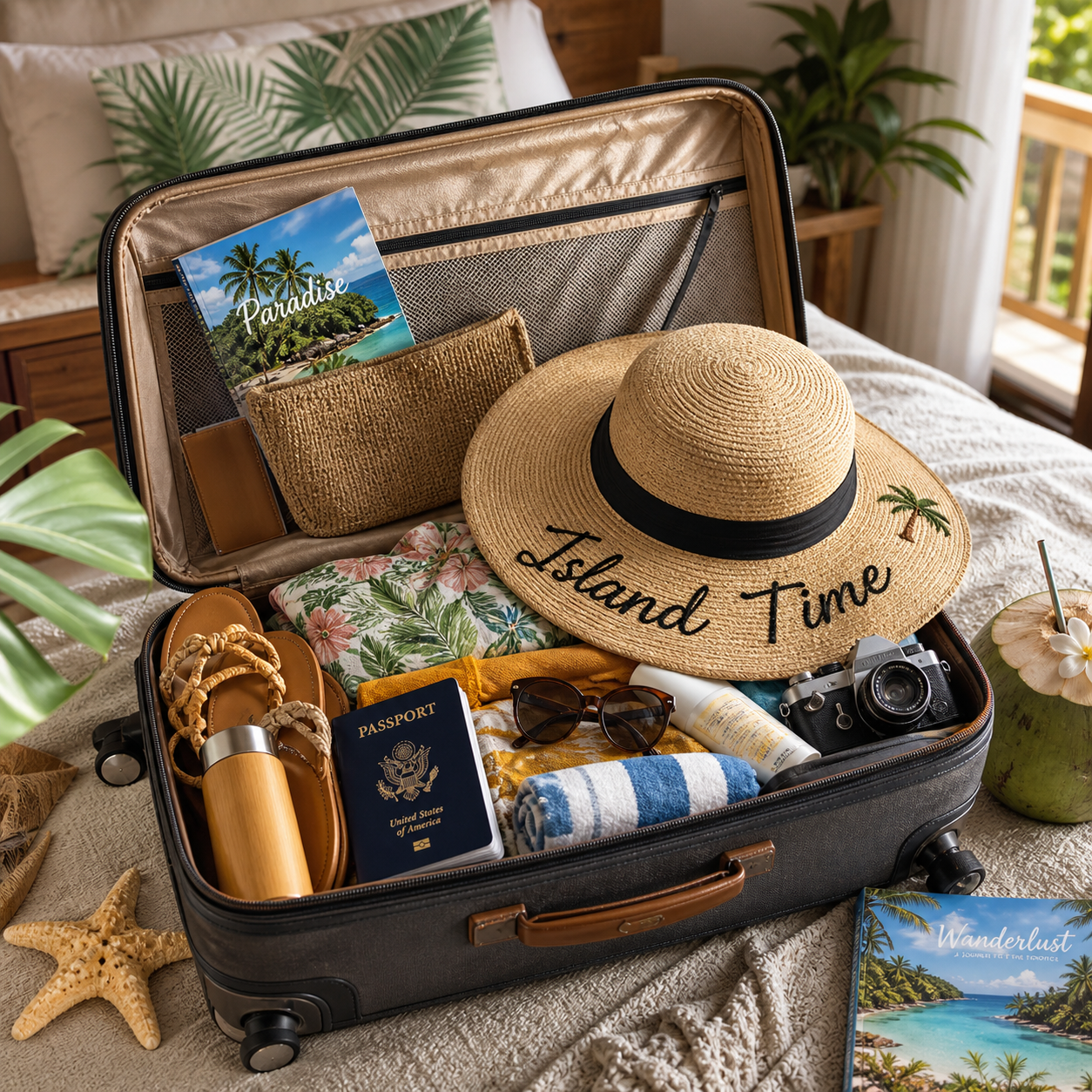
A tropical island trip feels simple until you start packing. Heat, humidity, saltwater, rain, insects, and limited shopping can turn a light suitcase into a badly planned one fast.
This guide gives you a practical, destination-aware packing list so you bring the right things without overpacking. It works for beach vacations, active island trips, family travel, and mixed itineraries with snorkeling, boat rides, and short hikes.
Start With the Island, Season, and Itinerary
The best packing list for tropical island getaways depends on the island, the season, and what you plan to do. A beach-only resort stay needs less than a trip that includes village visits, rainforest walks, and boat excursions.
Start by checking three things: weather patterns, local customs, and the level of access to shops or laundry. In wet season, a light rain shell matters more than another outfit. In conservative areas, modest clothing for shoulders and knees may be useful near towns, temples, or religious sites.
Think in terms of use cases, not outfits. If your itinerary includes snorkeling, choose gear that dries quickly and handles saltwater. If you are island-hopping, prioritize compact essentials that fit in a carry-on and survive boat spray.
- Beach resort: more swimwear, fewer closed-toe shoes.
- Active island trip: extra walking shoes, sun protection, and a small daypack.
- Family trip: duplicate essentials like towels, hats, and rash care items.
- Remote island: pack backups for medication, chargers, and toiletries.
Clothing for Hot, Humid Weather
Lightweight, breathable clothing is the core of any tropical island wardrobe. Choose quick-drying fabrics such as linen blends, nylon, or technical travel materials, because cotton can stay damp for hours in humidity.
Pack enough for 3 to 5 days if laundry is available, or 6 to 7 days if it is not. A small capsule wardrobe usually beats a large pile of "just in case" items.
Bring a swimsuit and cover-up that work for both the beach and a casual lunch stop. Add 2 to 4 tops, 2 to 3 bottoms, 1 light evening layer, sleepwear, and a compact rain jacket or poncho if showers are likely.
Useful clothing pieces include:
- Lightweight, breathable clothing
- Swimsuit and cover-up
- Quick-dry shorts or skirts
- One nicer outfit for dinners or town visits
- Modest options for villages or religious sites
- Light rain protection
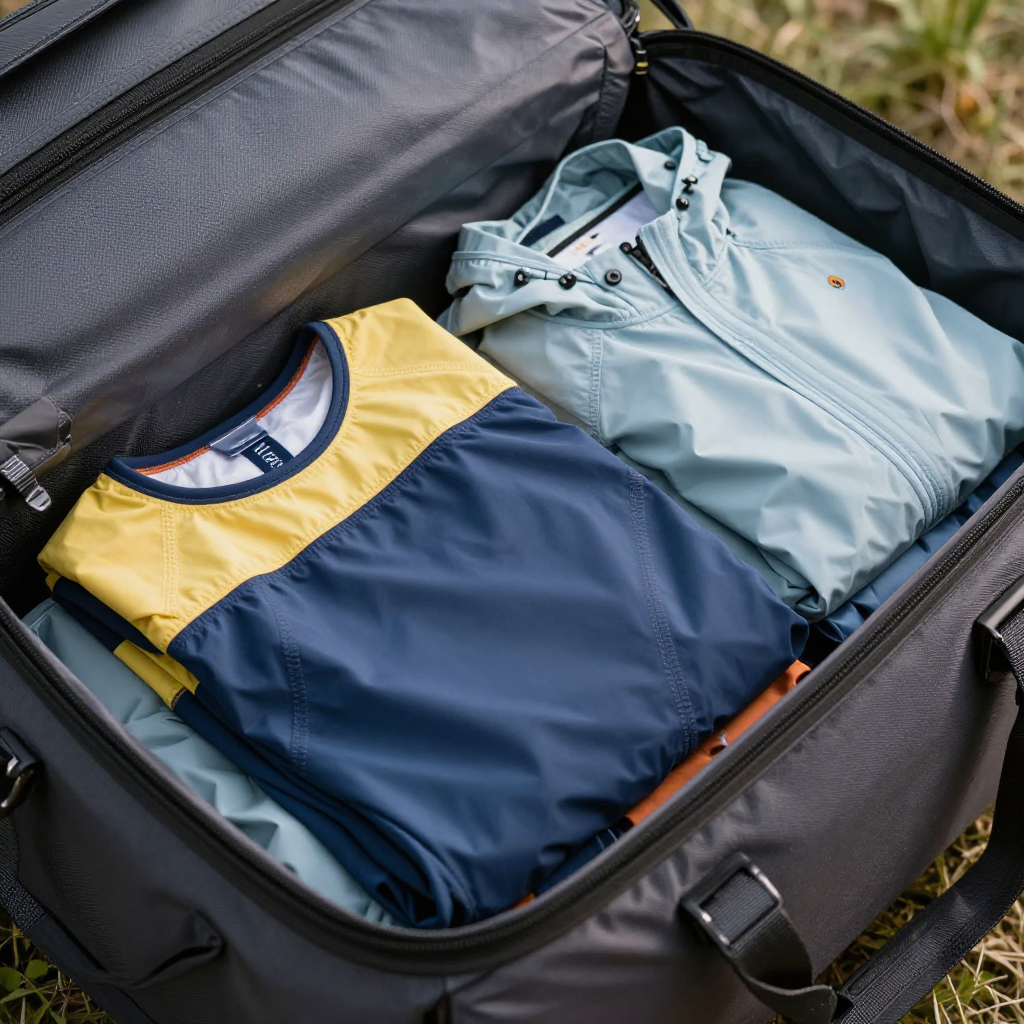
The mistake many travelers make is packing for air-conditioned city life, not island heat. Heavy denim, thick sweaters, and too many dress shoes add weight and make daily dressing uncomfortable.
Beach and Water-Activity Essentials
Beach and water-activity essentials should protect your belongings and make wet activities easier. A waterproof dry bag, quick-dry towel, and reliable swimwear cover most island situations from beach lounging to boat trips.
If you are snorkeling or taking frequent boat rides, pack gear that handles spray, sand, and sudden rain. A small dry bag keeps phones, wallets, passports, and snacks safe when decks are wet or beach storage is limited.
- Waterproof dry bag: ideal for boats, kayaks, and beach days
- Quick-dry towel: lighter and faster than a thick cotton towel
- Reusable water bottle: helps with hydration in the heat
- Dry pouch or zip cases: useful for cash, cards, and documents
- Snorkel mask or fins: bring only if you know fit matters to you
Choosing a dry bag for convenience means accepting one more item to carry, so keep the size modest. A 5L to 10L bag is enough for most day trips unless you are bringing cameras or multiple devices.
Sun, Insect, and Health Protection
Sun, insect, and health protection are non-negotiable on tropical islands. Strong UV, mosquitoes, and dehydration can ruin a trip faster than forgotten socks.
Pack reef-safe sunscreen, a sun hat and sunglasses, and insect repellent for evenings, shaded trails, and humid inland areas. The U.S. Environmental Protection Agency has guidance on insect repellents and active ingredients at https://www.epa.gov/insect-repellents, which is useful if you want to compare options before you buy.
Add a compact travel first-aid kit with basics: adhesive bandages, antiseptic wipes, blister care, pain relievers, antihistamine tablets, motion-sickness tablets if you boat, and any prescription medicine in original packaging. A few electrolyte packets can also help after long beach days or hikes.
Do not skip these items:
- Reef-safe sunscreen
- Sun hat and sunglasses
- Insect repellent
- Travel first-aid kit
- Prescription medication
- Electrolyte or hydration packets
Water matters more than people expect in humid climates. A reusable bottle is a small item with a big payoff, especially on islands where you may spend hours outdoors between meals.
Footwear and Island Exploration Gear
The right footwear depends on where you will walk, swim, and climb. On tropical islands, one pair of sandals rarely covers every surface, from hot sand to slippery dock steps to rocky trails.
Bring water shoes or sandals for beaches with coral, pebbles, or sharp volcanic rock. Add comfortable walking shoes for town streets, airport days, and longer excursions. If your itinerary includes hikes or uneven paths, choose lightweight trail shoes with grip instead of bulky sneakers.
- Beach sandals: easy for sand and casual use
- Water shoes or sandals: best for reefs, rocks, and boat landings
- Walking shoes: for sightseeing and transit days
- Trail shoes: for jungle paths, hills, or muddy terrain
The main trade-off is space. Packing four shoe types is rarely worth it unless you have very different activities planned. Most travelers can do well with three: one beach pair, one walking pair, and one active pair.
Travel Documents, Electronics, and Useful Extras
Travel documents, electronics, and a few useful extras belong in your carry-on, not buried in checked luggage. If your bag is delayed, you still want your ID, bookings, chargers, and medication within reach.
Keep your passport or other identification, boarding passes, hotel details, travel insurance, payment cards, and emergency contacts together in one easy-to-access pouch. If the island uses different plugs, bring the right adapter and a compact charger or power bank.
For electronics, protect devices from salt, sand, and moisture with zip pouches or a padded case. A phone case with a lanyard can be handy on boats and crowded beaches, though it adds a little bulk.
- Identification and booking copies
- Cash and backup payment card
- Phone charger and power bank
- Travel adapter
- Protective cases for electronics
- Small notebook or offline maps
For official travel planning basics, the U.S. Department of State travel page at https://travel.state.gov/content/travel/en/international-travel/before-you-go.html is a useful reference for general preparation, especially before any international trip.
What Not to Pack and Final Checklist
What you leave out matters almost as much as what you bring. The best tropical island packing list cuts weight, avoids duplicates, and leaves room for wet clothes or souvenirs.
Do not overpack heavy jeans, formal shoes, thick towels, oversized toiletries, or multiple "backup" gadgets you will never use. Most island trips reward simplicity, quick-dry materials, and reusable items.
Final pre-departure checklist
- Lightweight, breathable clothing
- Swimsuit and cover-up
- Reef-safe sunscreen
- Sun hat and sunglasses
- Insect repellent
- Waterproof dry bag
- Quick-dry towel
- Water shoes or sandals
- Travel first-aid kit
- Reusable water bottle
- ID, cards, cash, and booking copies
- Chargers, adapter, and power bank
If you want one simple rule, use this: pack for heat, water, and movement first. Everything else is optional until your itinerary proves otherwise.
How many outfits should I pack for a tropical island vacation? Most travelers do well with 3 to 5 days of outfits if laundry is available, or about a week if it is not.
Do I need water shoes for an island getaway? Yes, if the island has coral, rocks, slippery docks, or rocky beaches. They are less useful on soft sand only.
What should I pack for tropical rain and humidity? Bring quick-dry clothing, a light rain jacket or poncho, and shoes that dry fast.
Should I bring a beach towel or dry bag? A quick-dry towel and a waterproof dry bag are usually better than a bulky beach towel for most island trips.
What essentials should go in my carry-on? Keep documents, medication, valuables, a charger, a power bank, swimwear, and one change of clothes in your carry-on.